
Pennsylvania winters bring freezing temperatures, ice, and snow to the Lehigh Valley — typically from November through March. Whether you're a first-time homeowner or a longtime resident, a little preparation goes a long way toward keeping your home comfortable and avoiding costly repairs.
Heating System Check
Your furnace or heating system is the single most important component to address before winter. Many homes in the Catasauqua area use gas hot water baseboard heat or forced-air systems. Schedule a professional inspection and filter replacement at least once a year — ideally in early fall before temperatures drop.
If your system is over 15 years old, pay attention to unusual noises, uneven heating, or rising energy bills — these can be signs it's time for an upgrade. Newer high-efficiency systems can significantly reduce your winter energy costs.
Pipe Insulation and Frozen Pipe Prevention
Frozen pipes are one of the most common and expensive winter home disasters. Any exposed pipes — in the basement, crawl space, garage, or exterior walls — should be wrapped with foam insulation sleeves. In especially cold snaps, let faucets drip slightly to keep water moving.
Homes with full basements and outside entrances (like the one at 514 Grove Street) should pay particular attention to pipe runs near exterior doors. Closing the basement door during extreme cold helps maintain warmer temperatures around those pipes.
Window and Door Sealing
Drafty windows and doors are a major source of heat loss. Check weatherstripping around all exterior doors and replace if cracked or compressed. For windows, look for gaps where cold air seeps through — caulk or apply weatherstripping as needed.
Homes with newer replacement windows (as 514 Grove Street has) will already be more energy-efficient, but it's still worth checking seals annually. Interior storm window inserts can add an extra layer of insulation for older single-pane windows.
Gutter and Roof Maintenance
Clean gutters before the first freeze. Clogged gutters lead to ice dams — ridges of ice that form at the roof edge and force water under shingles, causing leaks and structural damage. Make sure downspouts direct water away from the foundation.
Inspect the roof for missing or damaged shingles. Pennsylvania winters can bring heavy snow loads, and a compromised roof is more likely to develop leaks under the weight of accumulated ice and snow.
Chimney and Fireplace
If your home has a wood-burning fireplace, have the chimney inspected and swept annually. Creosote buildup is a fire hazard, and a professional can identify cracked flue liners or other issues. Make sure the damper closes tightly when not in use.
Landscaping and Exterior
Trim any overhanging tree branches that could break under snow or ice and damage the roof or power lines. Drain and store outdoor hoses. If you have an exterior spigot, close the interior shut-off valve and drain the line.
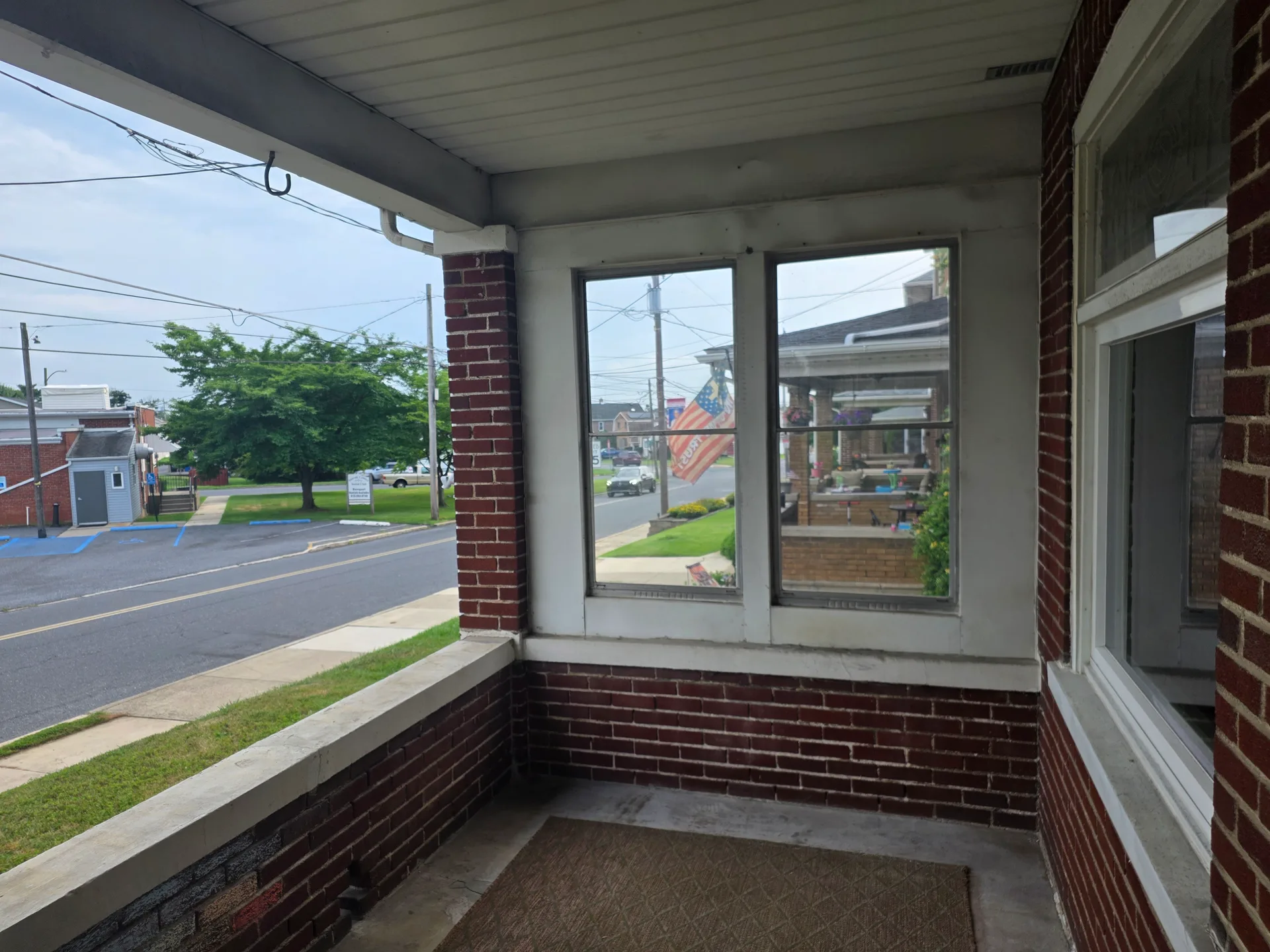
For homes with covered porches (like the charming front porch at 514 Grove Street), the structure itself is protected — but make sure the steps and walkway have good traction. A bag of ice-melt salt stored by the door is a small investment that prevents slips.
Quick Winter Prep Checklist
- Schedule furnace inspection and replace filter
- Insulate exposed pipes in basement and crawl spaces
- Check weatherstripping on all doors and windows
- Clean gutters and check downspout direction
- Inspect roof for damaged shingles
- Have chimney swept if using fireplace
- Trim overhanging branches
- Drain and store outdoor hoses
Thinking About Selling in Spring?
Winter maintenance isn't just about comfort — it protects your home's value. If you're planning to sell in the spring market, a well-maintained home shows better and commands stronger offers. Tim Tepes can help you prepare your property for a successful listing.
Talk to Tim